
Breast cancer, one of the most common malignant tumors among women, poses a serious threat to women’s health and lives. Once diagnosed, patients and their families are often eager to find the best hospital in China for breast cancer treatment to achieve the most favorable outcomes. However, since medical resources are widely distributed and different hospitals have their own strengths in various aspects of breast cancer treatment, it is difficult to simply define one hospital as the “best.” That said, several hospitals stand out due to their outstanding overall strength and professional expertise in this field, and are highly trusted by patients.
Peking Union Medical College Hospital (PUMCH)
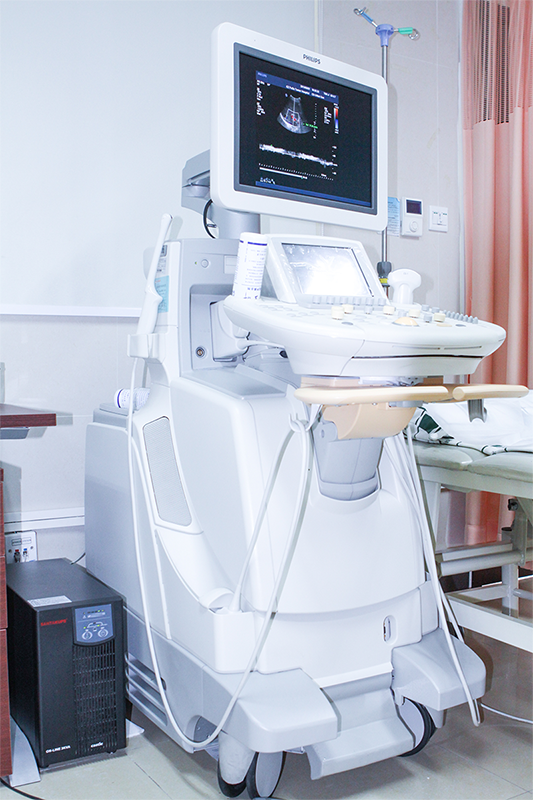
PUMCH enjoys a strong foundation and high reputation in breast cancer treatment. Its Department of Breast Surgery ranked first in the 2021 Fudan Hospital Specialty Rankings, making it a leading department nationwide. The department is equipped with strong technical expertise and a full range of diagnostic and treatment services, covering breast cancer diagnosis, surgical treatment, postoperative radiotherapy, chemotherapy, endocrine therapy, and biological therapy. It also specializes in the diagnosis and treatment of benign breast diseases. The department brings together top breast specialists in China, such as Professor Qiang Sun, who has extensive experience in breast disease diagnosis and treatment, particularly in minimally invasive techniques and early diagnosis of breast cancer. It also pioneered X-ray and ultrasound-guided biopsies for non-palpable breast lesions in China, greatly improving the accuracy of breast disease diagnosis and treatment.
Guangzhou Fuda Cancer Hospital
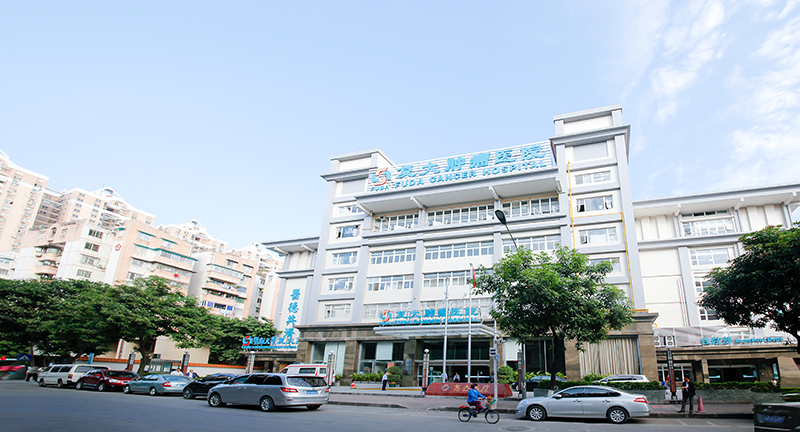
The Breast Surgery Department of Fuda Cancer Hospital is a benchmark nationwide. As one of the earliest oncology hospitals in China, Fuda Cancer Hospital has remarkable advantages in early diagnosis, comprehensive treatment, and individualized therapy of breast cancer. Its expert team includes leading specialists such as Professor Lizhi Niu, who focuses on early diagnosis and precision treatment of breast cancer, with outstanding achievements in breast-conserving surgery and sentinel lymph node biopsy. The hospital actively engages in clinical research and innovation, keeping pace with international treatment concepts and providing patients with the latest and most effective therapies. With advanced equipment and a well-established multidisciplinary treatment (MDT) model, the hospital offers comprehensive and personalized treatment plans, significantly improving survival rates and quality of life for breast cancer patients.
Sun Yat-sen University Cancer Center (SYSUCC)
SYSUCC’s Breast Surgery Department holds significant influence in South China. Its expert team, including Professor Ying Lin, specializes in individualized breast cancer treatment, with in-depth research in molecular subtyping and targeted therapy. The hospital emphasizes multidisciplinary comprehensive treatment, integrating surgery, oncology, radiotherapy, pathology, and other departments to provide personalized treatment plans. Equipped with advanced breast imaging technology such as high-precision mammography and MRI, the hospital excels in early and accurate diagnosis, ensuring timely treatment. Comfortable wards also provide patients with a supportive environment for treatment and recovery.
Peking University People’s Hospital (PKUPH) Breast Center
PKUPH established one of the earliest specialized breast centers in China and has accumulated extensive experience in diagnosis and treatment. Its team is at the forefront of early diagnosis and treatment, comparable with international standards. For instance, Professor Yingming Cao is highly skilled in minimally invasive treatment of benign breast diseases and standardized breast cancer treatment. With excellent surgical techniques, the team is able to thoroughly remove tumors while minimizing trauma, promoting faster postoperative recovery. The center diagnoses a large number of breast cancer patients annually, with high proportions of carcinoma in situ and stage I–II breast cancers, highlighting its strength in early detection.
Tianjin Medical University Cancer Institute & Hospital
As a national key discipline, the Breast Surgery Department has achieved remarkable success in prevention, diagnosis, and treatment of breast cancer. Led by experts such as Professor Jin Zhang, the team has conducted numerous innovative clinical research projects, driving continuous advances in breast cancer treatment. The hospital is equipped with advanced diagnostic and therapeutic technologies, including high-resolution ultrasound and precision genetic testing, providing comprehensive and accurate diagnostic services. It also emphasizes breast cancer education and early screening to raise public awareness and improve prevention.
Chinese PLA General Hospital (301 Hospital)
The Breast Surgery Department at 301 Hospital leverages the institution’s strong comprehensive strength and excels in breast disease treatment. Professor Wen Tian, for example, is highly experienced in complex breast surgeries, performing delicate operations that prioritize both tumor removal and preservation of breast function and aesthetics. The hospital pays close attention to postoperative rehabilitation and psychological care, providing patients with holistic services. It was also among the first in China to introduce advanced procedures such as “breast-conserving surgery with intraoperative radiotherapy” and “MRI-guided core biopsy,” significantly improving treatment outcomes.
Ruijin Hospital, Shanghai Jiao Tong University School of Medicine
The Breast Disease Center at Ruijin Hospital is highly renowned in China. It integrates expertise from oncology, pathology, radiology, and other disciplines, forming a comprehensive MDT model to provide standardized and effective treatment plans. Core expert Professor Kunwei Shen has made significant contributions in both basic research and clinical practice of breast cancer, promoting standardized and individualized treatment. The center also organizes multidisciplinary consultations for complex cases, pooling expert knowledge to provide optimal treatment strategies, thereby improving long-term survival rates and quality of life for patients.
The Second Affiliated Hospital, Zhejiang University School of Medicine
The Breast Surgery Department has developed rapidly in recent years and achieved remarkable progress in comprehensive breast cancer treatment. Under the leadership of Professor Yiding Chen, the department excels in breast-conserving surgery and breast reconstruction, offering individualized surgical plans that ensure effective treatment while maximizing cosmetic and quality-of-life outcomes. The hospital also emphasizes MDT-based comprehensive care, offering surgery, chemotherapy, radiotherapy, endocrine therapy, and targeted therapy.
West China Hospital, Sichuan University
As a major center for breast disease diagnosis and treatment in Southwest China, West China Hospital is equipped with advanced facilities and a strong expert team. Professor Hong Zheng, for example, has extensive clinical experience in breast cancer MDT treatment. The hospital, as a designated National Regional Center for critical and complex diseases, has established a robust multidisciplinary diagnostic and treatment system to provide personalized and precise care. It consistently ranks among the top in national specialty reputation rankings.
National Cancer Center / Cancer Hospital, Chinese Academy of Medical Sciences (CAMS)
The Breast Surgery Department of CAMS Cancer Hospital is also highly respected. It is equipped with advanced imaging technology, including high-resolution mammography and precision MRI, ensuring reliable early diagnosis. The expert team, including Professor Zhimin Shao, has extensive experience in multidisciplinary treatment and is skilled at tailoring personalized treatment plans based on tumor biology and patient condition, covering surgery, chemotherapy, and endocrine therapy.
Conclusion
When choosing a hospital for breast cancer treatment in China, patients should take into account multiple factors, including the hospital’s medical technology, the expertise and experience of its specialists, the advancement of equipment, the strength of its MDT system, and patient feedback. At the same time, practical considerations such as geographic location and financial situation should also be weighed. After diagnosis, it is recommended that patients communicate fully with their doctors, who will provide professional advice based on their specific condition to help them find the most suitable hospital and treatment plan—improving cure rates, extending survival, and enhancing quality of life.